
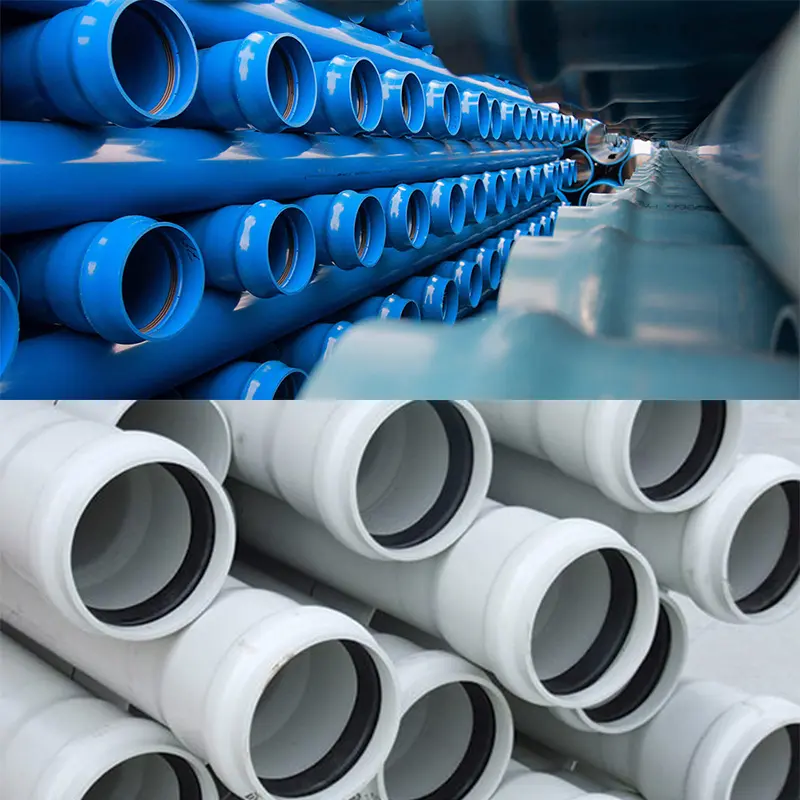
In fact, with the increase in demands for efficiency and effectiveness in water supply systems, more advanced technologies in piping were adopted in recent times. Among such developments, oriented polyvinyl chloride pipes, commonly referred to as PVC O Pipe, have turned out to be one of the most revolutionary changes ever seen by this industry. Higher resistance, strength, and longevity are the main hallmarks of PVC O pipes, which confer a number of advantages over their predecessors in traditional piping materials and make it highly desirable for contemporary water supply systems.
The paper is expected to provide an overview of the successful execution of PVC O pipe installations in various water supply projects. We will illustrate, with practical examples, advantages of these advanced pipes: how economically viable and environmentally friendly they truly are. We also look at the contribution of PVC extruder machines to the manufacturing process and discuss how technological improvement relates to performance and dependability for PVC O pipes. We are interested in trying to stimulate municipalities and industries to consider PVC O pipes as an alternative that can be used for water supply by doing so.
What is PVC O Pipe?
PVC O is a type of plastic pipe material that is processed through a special manufacturing process to improve its mechanical properties. Manufacturing consists of the longitudinal and circumferential stretching of the PVC material, creating a pipe with much higher resistance and flexibility. PVC O pipes are characterized by their light weight, high impact resistance, and excellent durability for a wide range of applications in water supply systems.
Compared to the standard PVC pipes, PVC O pipes are much stronger; they have greater resistance to internal pressure and longer service life. In contrast to the regular PVC pipes, which may eventually become embattled with brittleness and even cracks, PVC O pipes manage to hold firm against the action of harsh conditions. Moreover, PVC O pipes are often considerably more economical in the long run, since fewer maintenance requirements during their longer service life save on resource costs.
PVC O pipes have some advantage over other piping materials, such as High-Density Polyethylene and ductile iron. HDPE pipes are not as rigid and are resistant to corrosion but may not offer the same pressure ratings as PVC-O. Ductile iron, while very strong, is heavier and more prone to corrosion, thereby needing additional protective measures. Overall, PVC O pipes represent the ideal balance between strength and permanence with installability, making the pipe type a quite lucrative product for use in today’s water supply systems.
Benefits of PVC-O Pipes in Water Supply
The advantages of PVC O pipes in water supply systems are enormous, making them exemplary for such purposes. In fact, the benefits of these pipes contribute to improvement in performance, long-term cost-saving, and sustainability.
Applications involving high pressure and, in addition, stresses in the environment find ample coverage from PVC O pipes. The biaxially oriented structure improves its tensile strength to a great extent, improving its resistance against deformation and rupture under extreme conditions. This endurance indicates low vulnerability to leakage or failure and hence implies dependability in the supply of water.
Corrosion Resistance
Whereas metal pipes tend to rust and corrode over time, in a natural process, the material composition of PVC O pipes makes them impervious to corrosive elements that may exist in water. For that reason, they are extremely long-lived as they can serve for many decades without the need to be replaced frequently, which means municipalities will be spending less dollars on maintenance and less disruption of service.
Lower Installation Costs
Basically, the light weight of PVC O pipes guarantees ease of handling and transportation compared to traditional materials like ductile iron or concrete. This weight reduction will make installation much easier and less expensive with regard to labor costs, as well as decreasing the need for heavy machinery. The ease of installation will also contribute to a further reduction in project completion time and increased cost efficiency.
The PVC O pipes are an environmentally friendly alternative for water supply systems because they can be recycled upon completion of their life cycle. This potential for recycling reduces the waste levels and subsequently the impact such waste has on the environment. Because of improved technology with PVC extruder machines, the production process for PVC O pipes requires less energy in comparison to other materials, which keeps the overall carbon footprint low.
Practical examples of PVC-O pipe application
To further illustrate how well PVC-O pipes work in water supply systems, we can look at a few instructive case studies that outline the performance and success of these pipes in various environments.
Case Study 1: City X Water Supply Upgrade Using PVC-O Pipes
Among the major upgrades to the aged infrastructure of its water system, City X embarked on an overall upgrade project that included the installation of PVC O pipes, in order to replace old corroded metal pipes causing frequent leaks and disruptions to the service.
Scope of Project: In excess of 10 km of PVC O pipe installed across several neighborhoods of the city, prioritizing first the high-demanding areas where enhanced capacity had become necessary.
Challenges Faced: Installation was to be scheduled to have minimum disruption for residents and businesses, which in itself was a major challenge. There was also an initial apprehension about the acceptance of new materials on the part of stakeholders.
Outcomes: The use of PVC O pipes generated significant leak reductions, lowering the overall maintenance costs. This project enhanced the water pressure and improved the quality of water in general, enhancing community satisfaction. More importantly, it integrated PVC extruder machines into the manufacturing process, which assured that pipes can always remain at the most stringent quality standards.
Case Study 2: PVC O Technology-Based Rural Water Supply Program
A community-based project started improving access to clean water, which had been consistently plagued by a lack of water in the area. Because of their efficiency and durability, PVC O pipes were chosen to be ideal for the environment out here.
Social Impact: The project entailed the laying of a network of PVC O pipes that would achieve the connection of these communities to the water supply. Improvement in water supply to hundreds of families who lived on very bad and undependable sources of water:.
Improved Access to Water: After the application of PVC O technology, the community was able to access better water quality with its supply more stabilized. Transporting pipes was easy since they were light in weight; hence, installation of the same was done in a short time by volunteers.
Case Study 3: Large-Diameter Water Distribution with PVC-O Pipes in Industrial Applications
One of the most important industrial complexes requiring a plentiful supply of water has chosen PVC O pipes due to their performance and economic advantages.
Overview The facility required a major water-distribution system, which was installed using PVC O pipes to supply process water and firefighting resources.
Benefits Realized: The laying of the PVC O pipe further improved the reliability of the water supply and reduced the overall water handling cost of the plant. The little need for maintenance because of the corrosion resistance of the PVC O will obviously result in considerable saving over a long period of time. The project also established that PVC extruder machines can produce pipes that are capable of withstanding rigors common in industrial application.
Technical Considerations for Implementation
Recommended installation practices and tips for maintenance when implementing PVC O pipes within water supply systems ensure maximum performance and serve a longer life. Proper handling and care during the installation of the pipe can prevent any development of further problems to maximize the benefits of using this advanced piping material.
Recommended Installation Practices for PVC O Pipes
Site preparation: Ensure that the installation site is well-prepared and free from debris, sharp objects, and big stones that could damage the pipes. Clean and smooth trench bed will ensure good laying of the pipes.
Correct Handling: PVC-O pipes are very prone to impact damage; hence, they need to be handled carefully. Pipes are to be lifted only by using appropriate lifting techniques to avoid bending and cracking.
Appropriate Joining Techniques: The joints for PVC-O pipes shall be made by appropriate jointing techniques, either by solvent cement or mechanical fittings, whichever is recommended by the manufacturer. All the joints should be tight and watertight to avoid leakage.
Temperature Considerations: PVC-O pipes are sensitive to extreme temperatures. It follows that installations should, therefore, be carried out within recommended temperature limits to avoid problems with thermal expansion or contraction.
Backfilling and Compaction: Carefully backfill the trench with appropriate materials after laying the pipes. Avoid the usage of large rocks and sharp materials next to the pipe. Proper compaction of the backfill material is of utmost importance in order to avoid settling and ensure long-term stability.
Maintenance Tips to Ensure Longevity and Performance
Regular Inspections: Periodically inspect the installed PVC-O pipes for signs of damage, leaks, or blockages. Early detection of issues can prevent costly repairs and service disruptions.
Monitoring Pressure Levels: Keep track of water pressure in the system. Significant drops in pressure may indicate leaks or other issues that require immediate attention.
Flushing the System: Regularly flushing the water supply system can help remove sediment and debris that may accumulate over time, ensuring optimal flow and water quality.
Avoiding Chemical Damage: Be aware of the substances flowing through the PVC-O pipes. While PVC-O is resistant to many chemicals, certain harsh chemicals can still cause damage. Consult the manufacturer for guidance on compatible materials.
Documentation and Record Keeping: Maintain records of installation details, maintenance activities, and inspections. This documentation can be valuable for future reference and help streamline maintenance processes.
Future Trends in PVC-O Pipe Use
As the demand for efficient and sustainable water supply solutions continues to grow, the PVC-O pipe industry is poised for significant advancements. Innovations in technology and materials are set to enhance the performance and application of PVC-O pipes in various contexts, particularly in water supply systems.
Innovations in Pipe Technology and Materials
Advanced Manufacturing Techniques: The development of more sophisticated PVC extruder machines is expected to streamline the production process, improving the quality and consistency of PVC-O pipes. These innovations will lead to pipes with enhanced properties, such as greater flexibility and higher pressure ratings.
Smart Pipe Technologies: The integration of IoT (Internet of Things) technology into PVC-O pipes is emerging as a key trend. Smart sensors can be embedded within the piping to monitor flow rates, pressure, and potential leaks in real-time. This data-driven approach allows for proactive maintenance and optimization of water supply systems.
Enhanced Material Formulations: Research and development in polymer science are paving the way for new formulations of PVC-O that may further improve corrosion resistance, UV stability, and overall durability. These advancements will make PVC-O pipes even more suitable for diverse environmental conditions.
Sustainability Initiatives: As environmental concerns become increasingly critical, manufacturers are focusing on sustainability. This includes the use of recycled materials in pipe production and the development of biodegradable options, which will further reduce the carbon footprint associated with PVC-O pipe production.
Expected Growth in PVC O Pipe Applications in Water Supply Systems
Upgrade of Urban Infrastructure: Most municipalities have very aged water supply systems, and the demand for PVC-O pipe is expected to increase owing to its potential for durability and cost-effectiveness in replacing piping systems. The exclusive properties of PVC-O present it as a very promising material with respect to many of the challenges encountered in older infrastructures.
Rural Water Supply Projects: This is going to be a very important area, as PVC-O pipes are going to play a key role in enhancing access to clean water in rural areas as governments and NGOs invest in rural development projects. Because of their lightweight nature, plus ease of installation, such pipes can be ideal for such projects when the traditional material is not applicable.
The industrial growth of the industries needing reliable water supply systems, agriculture, mining, and manufacturing, is more likely to increasingly employ PVC-O pipes as it has enhanced durability and thus requires lower maintenance, which agrees with the demands of large-scale operations.
Global Market Development: The global market for PVC-O pipes is set to increase mainly in the developing parts of the world where water infrastructures are still in the process of establishment. More countries will be using these pipes in their water supply mechanisms as a result of increased awareness of PVC-O technology.