
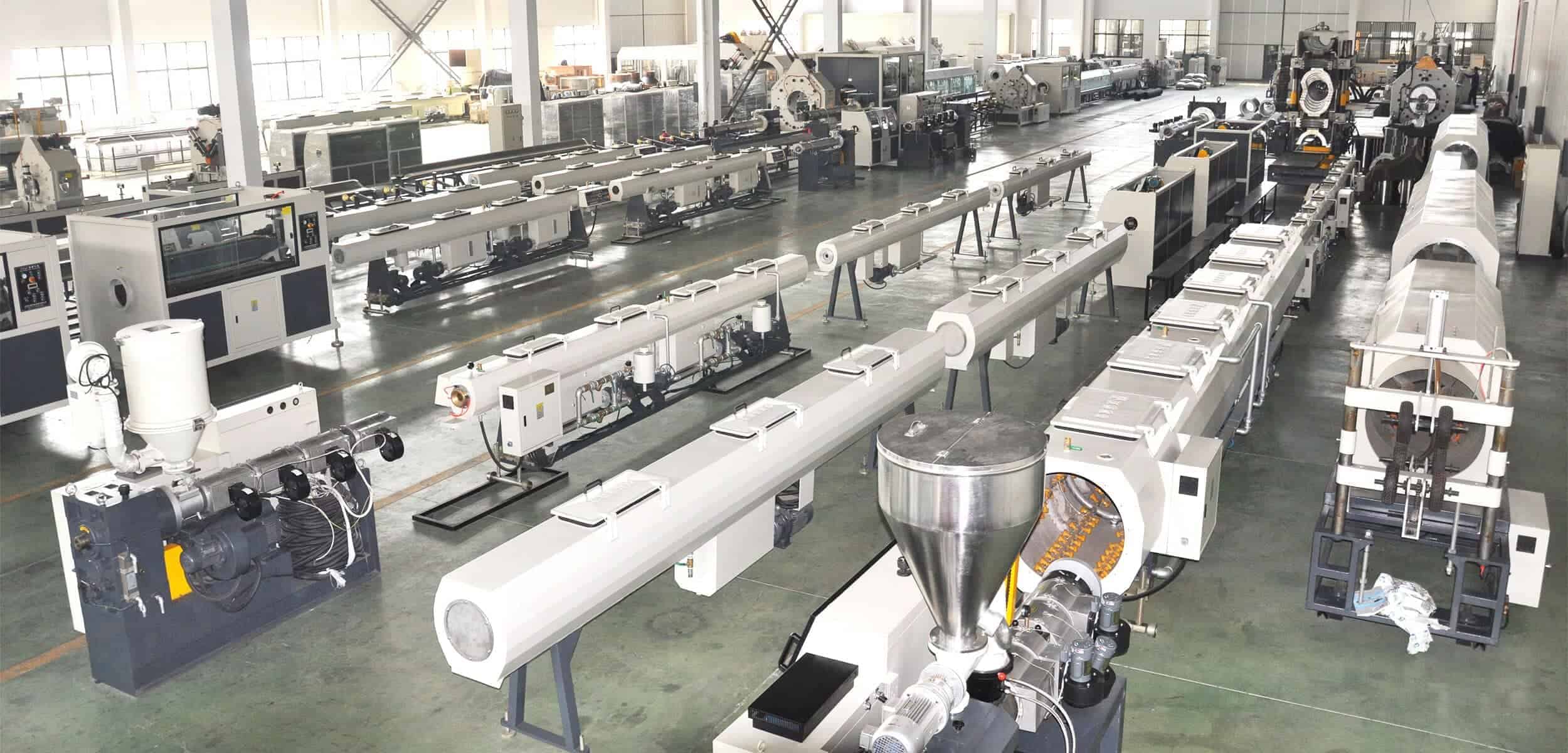
Within the modern manufacturing landscape, PVC extrusions hold great importance because they produce pipes used in very wide applications by various industries such as construction, plumbing, and drainage. The PVC extrusions are processes entailed in giving a certain profile or product to a PVC material by a continuous method of extrusion. This versatile technique allows the creation of various forms-from pipes to custom shapes for various uses-efficiently.
PVC is something quite indispensable when it comes to manufacturing. Being lightweight, strong, and resistant to corrosion, it tends to be a material of choice for many industries. Its versatility extends further to even allow the production of pipes that are cost-effective yet able to withstand adverse conditions of the environment, ensuring their reliabilities for a long duration.
The workings and importance of PVC extrusions in producing pipes are discussed in this paper. Further, the steps in the process of extrusion, specific applications of PVC pipes, quality control measures of pipes, and recent innovations in the area will be discussed. Throughout the course of this article, the reader will have a crystal clear picture of PVC extrusions and their importance in today’s world of manufacturing regarding pipe.
The Process of PVC Extrusion
PVC Extrusion Process Extrusion is one of the most important processes in manufacturing various products made from PVC, especially pipes. Understanding this process helps in appreciating how PVC extrusions are crafted in order to meet particular industry requirements. This section provides a detailed breakdown of the extrusion process, types of extruders used, and key parameters that have bearing on the quality of the final product.
Detailed Explanation of the Steps Involved in the Extrusion Process
Material Preparation:
Pelletized PVC resin is selected and, when necessary, pre-conditioned for the optimal processing conditions. Other additives such as stabilizers, plasticizers, and colorants may also be combined in a mix to impart enhanced performance characteristics.
Feeding:
The prepared PVC pellets are fed into the extruder through a hopper. The feeding mechanism provides a consistent flow of material into the extruder.
Heating and Melting:
While the pellets of PVC are passing through the extruder barrel, they are under controlled heating. Under such conditions, the PVC melts from a solid to a viscous liquid.
Shaping through Die:
The molten PVC is then forced through a die in order to take up the desired profile, such as a pipe. The die design is of paramount importance because it will determine the dimensions and the quality of the surface of the finished product.
Cooling and solidification:
The PVC product coming out from the die is soon cooled down through water baths or by air cooling to solidify for a final shape.
Cutting and Finishing:
After cooling, the extruded pipe will be cut into lengths as determined. Also, depending on the application, extra finishing may be necessary, like surface treating or coating.
Types of Extruders Used in PVC Extrusion
Single-screw extruders are the most common and simplest form, which have only one screw to convey, melt, and give shape to the material. They have a very good general efficiency in PVC applications of all kinds.
Twin-screw extruders, there are two intermeshing screws for applications which require complex formulation and which offer better mixing and a higher output rate. They fit well for PVC production with added ingredients.
Co-Extruders: The co-extruder is a type of extruder that enables simultaneous extruding of different materials into several layers. This is beneficial in generating items for applications with specific combined properties, like enhanced barrier performance.
Salient Parameters Influencing the Extrusion Process
Temperature:
The temperature of extrusion is one important criterion for melting PVC satisfactorily. It should hence be cautiously kept in check so as to avoid thermal degradation while maintaining adequate flow characteristics.
Pressure:
oThe ability of maintaining the correct pressure during the time of extrusion will ensure that the flow rate is uniform and defects in the final product are avoided. Too high a pressure can cause material breakdown while too low a pressure can result in incomplete melting.
Speed :
oThe speed of the screw influences the output rate of the extruder. It has to be married up with the other parameters in order for the quality to be maintained for the products. As speed increases there is an increase in shear and may result in a reduction in the material properties.
The Role of PVC Extrusions in Pipe Production
PVC extrusions have played a critical role in the manufacture of various types of pipes used in a wide range of applications within diverse industries. This section reviews some of the types of pipes that are produced through techniques in PVC extrusion, compares PVC extrusion with other methods through which pipes are manufactured, and discusses some of the advantages offered by PVC pipes over other pipes in infrastructure.
Types of Pipes Manufactured by PVC Extrusions Pressure Pipes:
These are the pipes designed to resist high internal pressures. These pipes can be used for water supply, irrigation system, and sewage systems. They can withstand pressure and maintain their integrity; hence, they are essential to be used in the transportation of water reliably.
Drainage Pipes:
These pipes are normally employed underground to serve the purpose of draining excess water with effectiveness. Perforations are usually caused on these pipes so that the water infiltrates therein and serves to check any flooding and possible issue of waterlogging.
Sewer Pipes:
Sewer pipes can also be made using PVC extrusions; these pipes are employed in carrying wastewater. This material is well adapted for this use because it is tough and resistant to chemical reagents.
Electrical Conduit:
Apart from plumbing, PVC extrusions are also utilized in making electrical conduit pipes that serve to shield wiring and offer a safely rout for electrical installations.
How PVC Extrusion Compares with Other Manufacturing Processes
Injection Molding:
This is usually used in the manufacture of intricate forms and typically smaller components. Though the method is much accurate, it is less efficient in the production of lengthy pipes compared to the extrusion process. It also involves a very high cost of setup.
Blow Molding:
Blow moulding has been principally applied to the production of hollow plastics objects like bottles. Although it does cater for some applications reasonably well, there are not quite the same facilities available in blow moulding for producing continuous lengths of pipe as there is with extrusion.
Advantages of Extrusion:
With PVC extrusion, it is possible to continuously produce, which makes this an economical way of producing lengthy pipes. The introduction of additives and multi-layered pipes that improve performance can also be introduced easily during the course of the extrusion process.
PVC Pipes: Advantages Lightweight:
The weight of a PVC pipe is considerably less when compared with conventional materials such as metallic or concrete pipes. Because of this reason, all other costs pertaining to transportation and also ease of installation at site are comparatively lower.
Resistance to Corrosion:
One of the high selling points of the PVC pipes is that they do not corrode easily; this makes them very ideal and suitable for applications where the pipes are exposed to aggressive chemicals or environmental factors. The long life reduces maintenance costs over time.
Applications of PVC Extrusions beyond Pipe Fabrication
PVC extrusions have gained wide acceptance in pipe fabrication. However, their uses have been commonplace in many other fields. This section identifies some common applications apart from pipes and discusses ways through which different industries make use of the specific properties of PVC.
Other Common Applications
Profiles:
In addition, PVC can be extruded in a variety of profiles that are used for window frames, door frames and other trim. These profiles are widely used in buildings and interior decoration because weathering resistance is good and the appearance of PVC is generally pleasing. Sheets:
PVC sheets are used for signage, wall cladding, and protection barriers, among many other purposes. These sheets are light in weight, easy to fabricate, and allow creative uses from commercial display to industrial partition.
Shapes:
One of the advantages of the extrusion process is that it allows the use of various shapes for specific needs. Whether a specialized furniture component, display stands, or packaging solutions-the required extrusions can be designed and manufactured to any specific detail by the manufacturers, so as to enhance functionality.
Industry-Specific Uses
Construction:
In the construction industry, PVC extrusions are used in architectural moldings, sidings, and fencing. Material is perfect for such outdoor applications because it is resistant to moisture and insects, while at the same time allowing aesthetic customization by color and finish.
Automotive:
PVC extrusions find their application in the automotive sector, both for interior and exterior components that include weather stripping, seals, and trims. Lightweight and tough, PVC helps attain improvements in fuel efficiency by providing protection against the elements.
Electrical:
Applications range to the electrical industries for conduits and insulating sheaths for wiring. The insulation properties of the PVC, combined with resistance to chemicals and moisture, make it an ideal choice in residential and commercial electrical applications.
PVC Extrusion Quality Control
Quality in PVC extrusion can be ensured by producing products that are dependable and efficient. The section considers the relevance of quality control within PVC production, general practices used during the extrusion process, and the influence of quality upon the performance of the finished product.
Importance of Quality Standards within PVC Production
Consistency and Reliability:
Quality standards ensure that each batch of PVC extrusions is manufactured to specification, thereby assuring consistency in both performance and appearance-a very vital aspect, since some applications require uniformity.
Regulatory Compliance:
Most industries have strict regulations on what materials are to be used in the construction, plumbing, and electrical fields. Conformity to such standards helps manufacturers stay out of legal crosshairs while gaining confidence among the masses.
Consumer Trust:
Quality products create trust in the consumer and other business associates. Companies with reputations for maintaining quality standards will more often earn repeat business and new customers based on positive word of mouth and referrals.
Current Practice in Quality Assurance during the Extrusion Process
Incoming Material Inspection:
First and foremost, raw materials are put through a series of stringent tests before the extrusion process to ascertain whether they meet the required quality threshold on purity, uniformity in size and shape, and the right formulation.
Process Monitoring:
Parameter variations include temperature, pressure, and speed, which are some of the vital parameters monitored during an extrusion process. In automated systems, this will allow for real-time feedback whereby the operator can immediately do an adjustment if there is any deviation.
Dimensional Checks:
Extruded products should be regularly inspected against dimensional specifications. Normally, calipers and gauges are used to confirm thickness, width, and length so that the products would fit their applications.
Performance Testing:
Certain performance tests may be conducted on finished PVC extrusions for tensile strength, resistance to impact, thermal stability, and more. These tests confirm that the product will perform under expected conditions in an acceptable manner.